LED Teeth Whitening: How Does It Work?
A brighter smile is one of the most popular goals in cosmetic dentistry, and LED teeth whitening has become a convenient option for patients looking to reduce stains and discoloration. From at-home whitening kits to professional in-office systems, LED technology is changing how people approach teeth whitening.
But how does LED teeth whitening actually work? Does the light whiten teeth on its own, or does it work together with a whitening gel?
Let’s explore the science behind LED teeth whitening, the differences between take-home and in-office treatments, and how Whiter Image whitening solutions can help patients achieve a brighter-looking smile.
What Is LED Teeth Whitening?
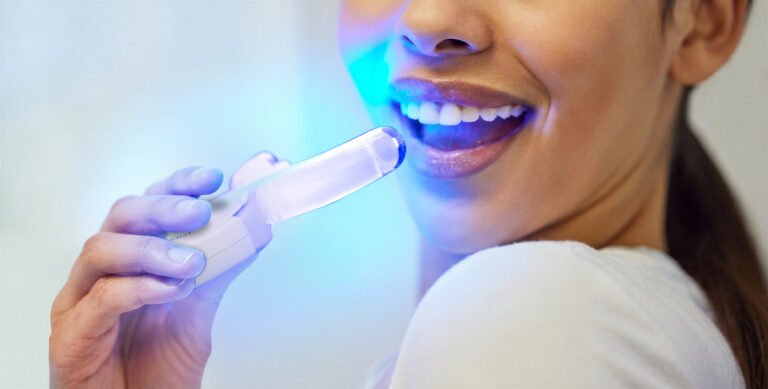
LED teeth whitening combines a whitening agent, typically hydrogen peroxide, with light emitted by light-emitting diodes (LEDs). The whitening gel does the primary chemical work of breaking down stains, while the LED light is designed to support the whitening process.
Hydrogen peroxide penetrates the tooth and helps break down the molecules responsible for discoloration. These stain molecules become less concentrated or less visibly colored, making teeth appear whiter.
How Does LED Teeth Whitening Work?
LED teeth whitening generally involves three main steps.
-
Apply the Whitening Gel
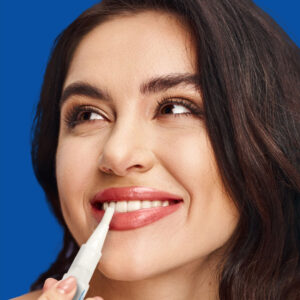
The process begins with a whitening gel containing an active ingredient such as hydrogen peroxide. Hydrogen peroxide helps break down the compounds responsible for many common tooth stains.
These stains may develop from everyday habits, including drinking coffee, tea, and red wine, as well as tobacco use and the natural aging process.
The appropriate gel concentration and application time depend on the product and whether the treatment is performed at home or in a dental setting.
-
Activate or Support the Whitening Process With LED Light
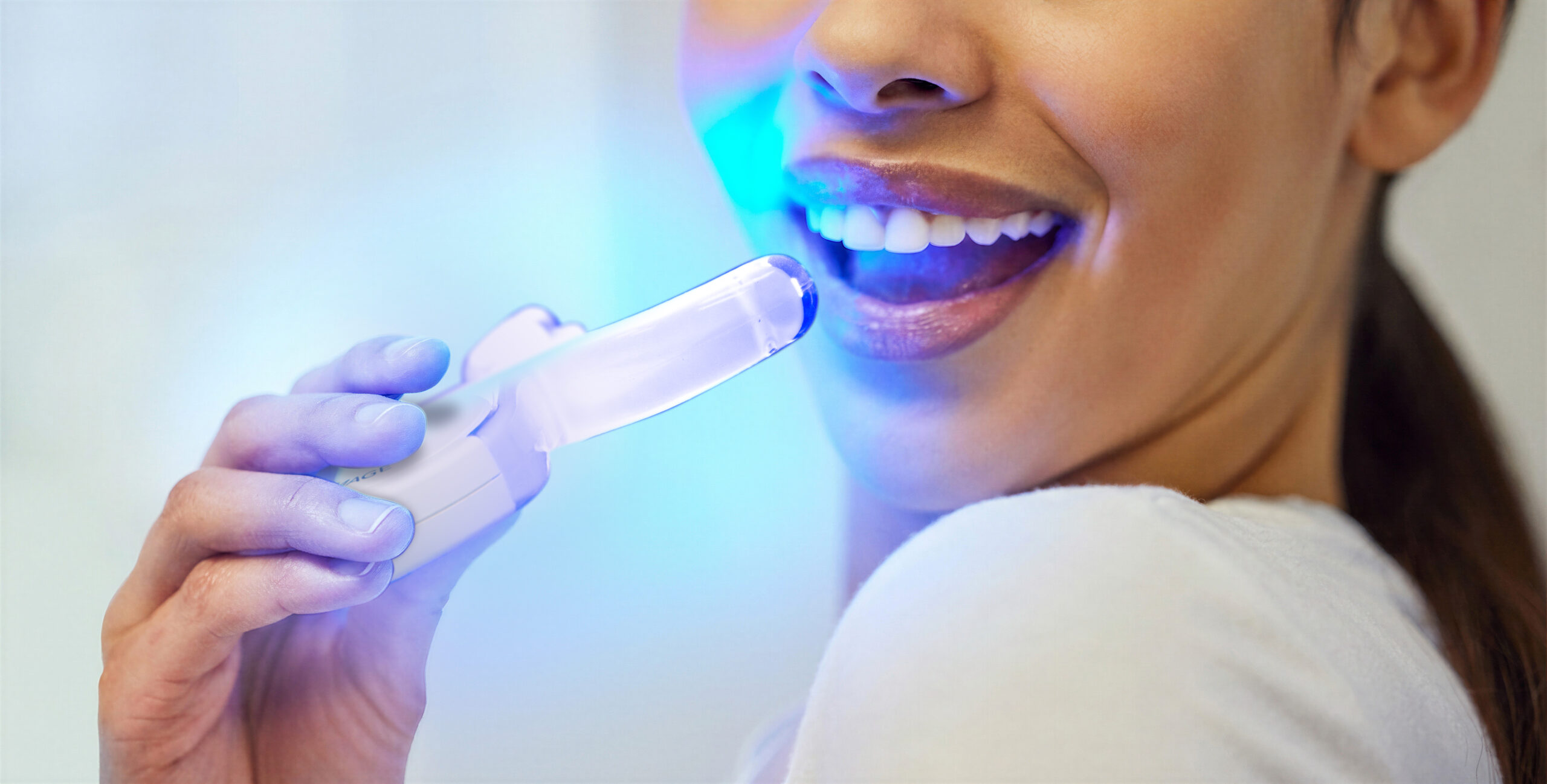
Once the gel is applied according to the product instructions, an LED device is used as directed.
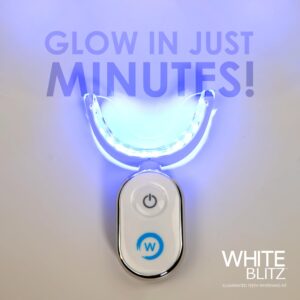
Blue LED light is commonly incorporated into whitening systems to support the whitening process. The effect depends on the formulation of the gel and the device’s wavelength, intensity, and treatment protocol.
-
Allow the Whitening Agent to Break Down Discoloration
The whitening agent continues working to break down stain molecules. With the correct treatment protocol and consistent use, teeth can become visibly brighter over time.
Results vary depending on the original tooth shade, the type and severity of discoloration, the whitening formula, and adherence to the recommended treatment schedule.
What Are the Benefits of LED Teeth Whitening?
LED whitening systems offer several potential advantages when used with an appropriate whitening product.
- Convenience: Take-home kits allow users to whiten their teeth as part of their routine.
- Flexible treatment options: Whitening can be performed at home or in a professional setting.
- Targeted stain reduction: Peroxide-based whitening gels help address many stains caused by food, beverages, tobacco, and aging.
It is important to remember that LED light alone does not guarantee superior whitening. The whitening formula, proper application, and following the manufacturer’s instructions remain essential.
Does LED Teeth Whitening Work Better Than Whitening Gel Alone?
This is one of the most common questions about LED whitening.
The answer depends on the whitening formulation and device. Hydrogen peroxide is the active whitening ingredient in many systems, and it can whiten teeth without LED light. Adding a light does not automatically mean a treatment will produce better results or work faster.
Some whitening systems are specifically formulated and designed to be used with an activating light. In these cases, the device and gel should be used together according to the manufacturer’s instructions.
When evaluating an LED whitening system, consider the peroxide concentration, recommended application time, light specifications, comfort features, and evidence supporting the complete treatment protocol—not just the presence of an LED mouthpiece or lamp.
Is LED Teeth Whitening Safe?
LED teeth whitening can be a suitable option when the product is used correctly, but whitening treatments may cause temporary tooth sensitivity or gum irritation.
To support a safer whitening experience:
- Follow the product’s instructions for application time, frequency, and light use.
- Avoid applying whitening gel to irritated gums or other soft tissues.
- Do not assume that a stronger gel or longer exposure will produce better results.
- Ask a dental professional about persistent sensitivity, untreated cavities, gum problems, or existing dental restorations before whitening.
- Keep in mind that crowns, veneers, fillings, and other restorations do not whiten in the same way as natural teeth.
People with existing sensitivity or dental concerns should consult a dental professional before beginning treatment. The use of red LEDs or a sensitivity-management product does not guarantee a sensitivity-free experience.
How Long Does It Take to See Results From LED Teeth Whitening?
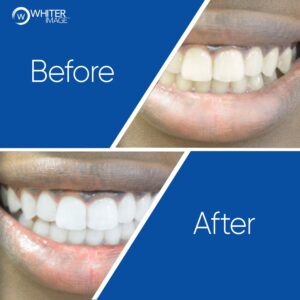 The timeline varies based on the product, treatment schedule, starting tooth shade, and type of staining.
Some take-home systems may produce visible changes after multiple applications. The Whiter Image Dual-Light Activating Teeth Whitening Kit, for example, notes that many users notice improvement after as few as 14 applications.
Professional treatments follow the specific protocol recommended for the whitening system being used. Results should not be compared solely by the number of minutes spent under an LED lamp, since gel formulation, concentration, and exposure conditions all matter.
For either approach, following the recommended schedule is important. More frequent or prolonged treatment is not necessarily more effective and may increase the risk of sensitivity or irritation.
Frequently Asked Questions About LED Teeth Whitening
Does the LED light whiten teeth by itself?
No. In peroxide-based LED whitening systems, the whitening gel is responsible for breaking down stain molecules. The LED light is used as a supplemental part of the system and does not replace the active whitening ingredient.
Is blue or red LED light better for teeth whitening?
Different wavelengths serve different intended purposes. Blue light is commonly used to support whitening protocols, while some systems use red light for comfort-focused features. The best choice depends on the complete device-and-gel system rather than the color of the light alone.
Can I use an LED whitening kit at home?
Yes, some systems are designed specifically for take-home use. Always choose a product intended for that setting and follow its instructions. The Whiter Image Dual-Light Activating Teeth Whitening Kit is designed for convenient at-home whitening.
Is professional LED teeth whitening faster than at-home whitening?
Professional systems may use different gel formulations and treatment protocols, but an LED lamp does not guarantee faster or more effective results. Compare the full treatment process and follow the manufacturer’s directions.
Will LED whitening work on crowns or veneers?
Whitening gels work on natural tooth structure and do not change the color of crowns, veneers, or fillings in the same way. Consult a dental professional if you have restorations that may become mismatched with your natural teeth after whitening.
Can LED teeth whitening cause sensitivity?
Yes. Temporary tooth sensitivity and gum irritation are possible with peroxide-based whitening. Follow the recommended protocol, avoid overuse, and consult a dental professional if symptoms persist or worsen.
Explore LED Teeth Whitening With Whiter Image

LED teeth whitening combines peroxide-based whitening formulas with light technology to support at-home and professional whitening routines. Choosing the right system means understanding how the whitening gel works, what the LED device is designed to do, and which treatment setting best fits your needs.
For convenient take-home whitening, explore the Whiter Image Dual-Light Activating Teeth Whitening Kit. For dental practices seeking a dedicated professional light system, learn more about the Whiter Image Deluxe Whitening Lamp.
Discover whitening solutions from Whiter Image and find the right fit for your smile or practice.