
Building a More Predictable All-On-X Digital Workflow
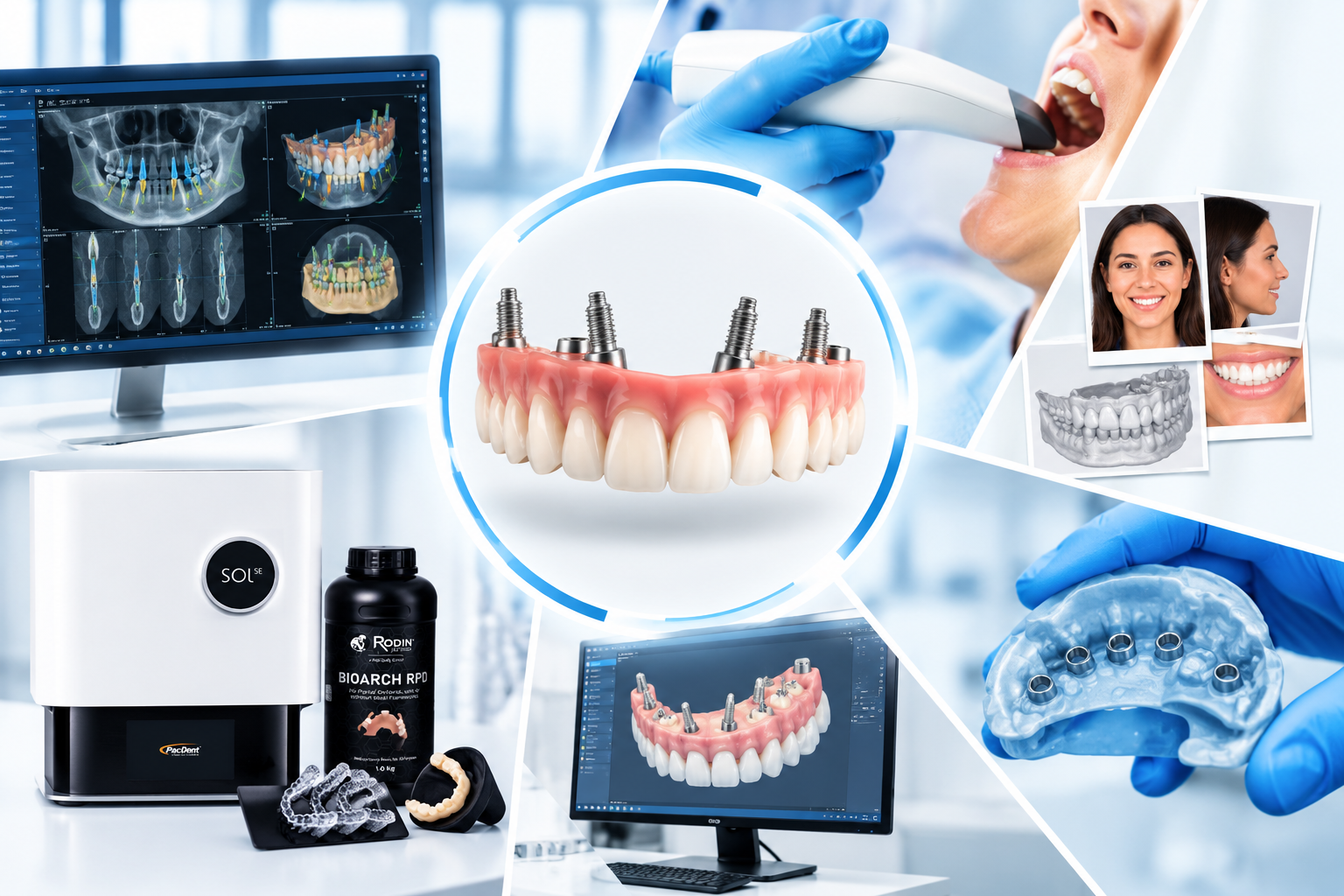
All-On-X treatment combines surgery, restorative dentistry, digital planning, laboratory design, and patient communication. When each part of the workflow is coordinated, clinicians can create a more predictable path from initial records to provisional restoration and, ultimately, the final prosthesis.
During a recent Medidenta webinar, Jorge Alegre and Paolo Lubrano discussed the digital All-On-X workflow, common points of failure, and practical strategies for improving communication between the clinician, surgeon, and laboratory.
Start With Complete, Current Records
Predictable treatment begins before surgery. Incomplete records can create problems that carry throughout the entire case.
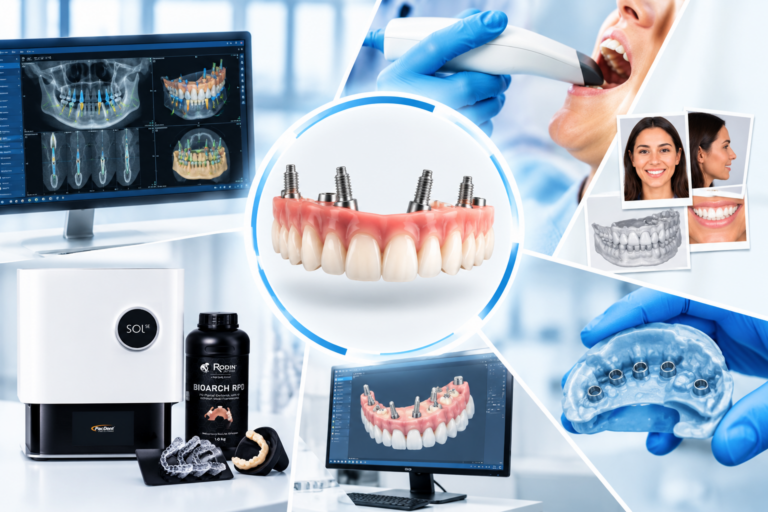
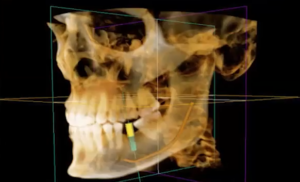
For All-On-X planning, the team emphasized the importance of accurate intraoral scans, CBCT data, facial references, photographs, and bite records. Facial references do not necessarily require expensive equipment. Patient photographs or even smartphone images can provide useful information about the smile, lip position, facial proportions, and tooth display.
The goal is to give the laboratory enough information to understand not only the patient’s anatomy, but also the desired restorative outcome.
Records should also be current. The webinar emphasized that CBCT and intraoral scan data that are more than several months old may no longer accurately represent the patient’s condition. Teeth can move, orthodontic treatment can change the anatomy, and other clinical changes can make older records unreliable.
Digital Scanning Requires Attention to Detail
Intraoral scanning is a critical part of the digital workflow, but scan quality matters.
Saliva, blood, tissue interference, and scanning errors can create inaccurate STL files. When those files are combined with CBCT data, registration errors can affect implant positioning and ultimately the prosthetic fit.
A backup plan is equally important. If clinical conditions make an accurate intraoral scan difficult, a conventional impression can provide another path. That impression can then be digitized for use in the digital workflow.
The webinar also highlighted the importance of obtaining reliable bite information and properly aligning intraoral scan data with CBCT data. Poor alignment can compromise the surgical plan before the patient ever reaches the chair.
Surgical Planning Should Be Prosthetically Driven
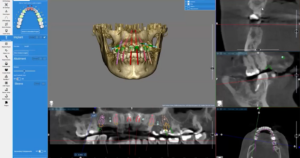
A central theme of the webinar was that implant placement should be driven by the planned restoration.
A surgical guide is not simply about placing implants where bone is available. The implant positions need to support the intended restorative design. That means the wax-up or proposed final tooth position needs to be established before implant planning.
The planned restoration helps determine implant position, screw-access locations, available restorative space, tissue management, and emergence profile.
This is particularly important when deciding between FP1, FP2, and FP3-style restorations. Making that decision after implant placement can leave the laboratory trying to compensate for a situation that could have been planned from the beginning.
The Provisional Is Part of the Final Workflow
The provisional restoration should not be viewed as simply a set of temporary teeth.
It provides an opportunity to evaluate aesthetics, tooth position, lip support, phonetics, occlusion, hygiene access, and tissue development. It also allows the patient to provide feedback before the final prosthesis is produced.
The speakers emphasized that the provisional is essentially the beginning of the final restoration process. If something needs to be changed, the provisional phase is the appropriate time to collect that information.
Allowing adequate healing time is also important. Immediately after implant placement, the priority is maintaining stability and supporting integration rather than repeatedly removing and modifying the restoration unnecessarily.
Capture Implant Position Before the Final
Before moving to the final prosthesis, the workflow should include updated records.
Confirm that multi-unit abutments and scan bodies are fully seated. Capture implant positions using appropriate scanning or photogrammetry workflows, and obtain a new tissue scan because soft tissue changes during healing.
A new bite record is equally important. These updated records allow the laboratory to compare the healed anatomy with the original plan and make appropriate adjustments.
Communication Is a Critical Part of the Workflow
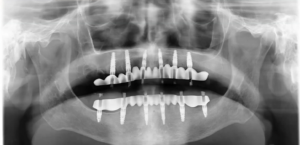
Digital dentistry does not eliminate the need for communication—it makes communication more important.
The webinar stressed the value of communication between the dentist, surgeon, and laboratory. When everyone understands the restorative plan, surgical objectives, available space, and potential limitations, problems can often be addressed before they become expensive clinical complications.
Even when something does not go according to plan, strong communication can provide a pathway forward. New scans can be captured, designs can be modified, and provisional restorations can sometimes be redesigned around the actual clinical situation.
Plan for the Final From the Beginning
A predictable All-On-X workflow is ultimately about planning ahead.
From complete preoperative records and accurate digital scans to prosthetically driven implant placement, provisional evaluation, updated post-op records, and final design, every step contributes information to the next.
The biggest takeaway from the webinar is simple: don’t wait until something goes wrong to collect the information you need.
When clinicians, surgeons, and laboratories work from complete records and communicate throughout the case, digital dentistry becomes more than a collection of individual technologies. It becomes a connected workflow designed to make complex All-On-X treatment more predictable for the entire team—and for the patient.
Hands-On CE in Las Vegas!
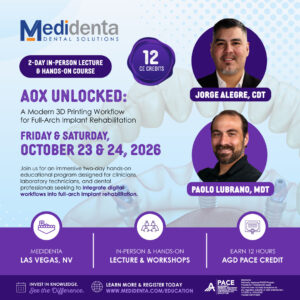
Join Medidenta for AOX Unlocked: A Modern 3D Printing Workflow for Full-Arch Implant Rehabilitation, a two-day hands-on course designed to bring modern digital workflows into practical application.
October 23–24
Medidenta | Las Vegas, NV
Instructors: Jorge Alegre, CDT & Paolo Lubrano, MDT
12 CE Credits
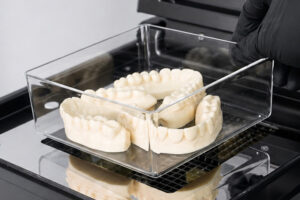
This hands-on course will explore modern 3D printing workflows for full-arch implant rehabilitation and give attendees the opportunity to apply digital techniques in a practical, technology-focused environment.
Reserve your spot and continue your digital dentistry education with Medidenta.
This article is based on a Medidenta educational webinar featuring Jorge Alegre and Paolo Lubrano and summarizes key workflow concepts discussed during the presentation.